Springberry: A Colorful Font for Modern Creative Projects
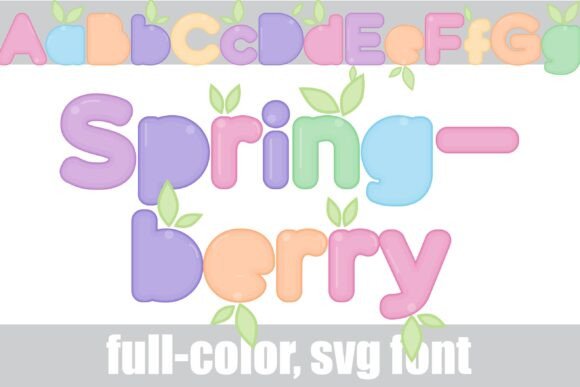
Imagine a font that doesn't just sit on the page but practically bounces off it, bringing a burst of seasonal joy and playful energy to your work. That's the immediate impression Springberry makes. This isn't your standard, run-of-the-mill typeface. It's a full-color, rounded sans serif that comes alive with embedded highlights and decorative leaf and berry motifs. For designers and creators tired of flat, monochromatic text, it offers a fresh and visually engaging alternative that can instantly set a project apart.
The magic of Springberry lies in its OpenType SVG technology. This means the color and detail are built directly into the font file itself. When you type a letter, you're not just getting a shape; you're getting a miniature illustration. Each character features a soft, rounded base in a primary color, accented with a brighter highlight and adorned with tiny leaves or berries. It’s a detail-oriented design that feels both whimsical and polished. Furthermore, the font includes alternate color versions for each letter, accessible through your system's character map or design software's glyph panel. This allows for surprising versatility—you can mix and match colors within a single word for a custom, hand-painted look. There's even a fun surprise: typing the greater than (>) and less than (<) symbols reveals a charming bunny and chick, perfect for Easter or spring-themed projects.
Where This Playful Typeface Truly Shines
Understanding a font's personality is key to using it effectively. Springberry’s aesthetic is inherently cheerful, organic, and approachable. It’s a premium font designed for projects where you want to convey warmth, creativity, and a touch of whimsy. This makes it an exceptional choice for specific applications where its unique character can be fully appreciated without overwhelming the design.
Consider its use in branding and logo design for businesses that want to project a friendly, artisanal, or family-oriented image. A children’s boutique, a bakery specializing in decorated cookies, a floral shop, or a craft supply store could build a memorable brand identity around this typeface. Its playful curves and colors are instantly recognizable, helping to foster strong brand recognition. For packaging design, especially for seasonal products, gourmet treats, or handmade goods, Springberry can make a product jump off the shelf. It communicates quality and care in a visually immediate way.
The font is equally powerful in the digital realm. Social media graphics thrive on visual stop-power. Using Springberry for headlines, quotes, or promotional text in Instagram stories, Facebook posts, or Pinterest pins can significantly boost audience engagement. It’s perfect for announcing sales, creating holiday greetings, or designing eye-catching banners. On a website or blog, it can be used strategically for key headings, calls-to-action, or featured post titles to inject personality and guide the visitor's eye. It works beautifully in editorial layouts for magazines or newsletters focusing on lifestyle, crafts, or food.
Beyond digital, its applications in print materials are vast. Think of vibrant posters for community events, invitations for birthday parties or baby showers, or merchandise like tote bags and stickers. For creators selling digital products—such as printable planners, educational worksheets, or SVG cut files—incorporating Springberry into the design adds perceived value and a professional, polished presentation. It transforms a simple document into a delightful design asset.
Practical Tips for Integrating a Color Font
Working with a full-color SVG font like this one requires a few practical considerations to ensure a smooth design process. The first step is installation. These fonts install just like any standard .OTF file, typically via FontBook on a Mac or through your preferred font manager on Windows. However, compatibility is crucial. Not every program supports color fonts. You’ll know your software is compatible when the font appears in color on your document canvas. Programs like Adobe Photoshop, Illustrator, InDesign, Silhouette Studio, QuarkXPress, and Inkscape currently offer robust support. In non-compatible programs, the font will render as a standard black outline, which can still be useful, but you'll lose the colorful magic.
A key part of using any creative font effectively is font pairing. Because Springberry is so distinctive and detailed, it demands a simpler companion. Pair it with a clean, neutral sans serif like Montserrat or a classic serif like Garamond for body text. This creates a necessary visual hierarchy, allowing Springberry to be the star of headlines without causing visual chaos. The goal is readability; let the playful font handle short, impactful phrases while a more subdued typeface handles longer paragraphs.
Always review the included font styles and alternates. Take the time to explore the glyph map in your design software. Accessing those alternate color letters is what allows you to customize the look and avoid repetition, making your typographic compositions feel truly unique. Before finalizing a project, especially for commercial use, double-check the licensing. Most premium fonts come with a commercial license, but it's always best practice to verify the terms to ensure your intended use—whether for client work, merchandise, or digital products—is fully covered.
Ultimately, a typeface like Springberry is more than just a set of letters; it's a design tool for storytelling. It helps improve visual consistency across a themed campaign, strengthens brand recognition through its unique silhouette, and elevates the professional presentation of any project it graces. By choosing it for the right context and pairing it thoughtfully, you can harness its vibrant personality to create work that is not only beautiful but also deeply engaging for your audience. It’s a perfect example of how modern typography can add a significant layer of personality and impact to creative and commercial work alike.