Moniker Green: A Colorful Sans Serif for Creative Projects
There’s something undeniably energetic about a design that uses color with intention. It catches the eye, communicates a mood, and can instantly make a project feel more polished and professional. For designers, marketers, and creators constantly seeking fresh ways to inject personality into their work, the tools we choose matter immensely. Typography, in particular, is a foundational element that can make or break the visual impact of a design. Moving beyond standard black text opens up a world of creative possibility, and that’s precisely where a unique asset like Moniker Green enters the conversation.
Understanding the Visual Appeal of a Color Font
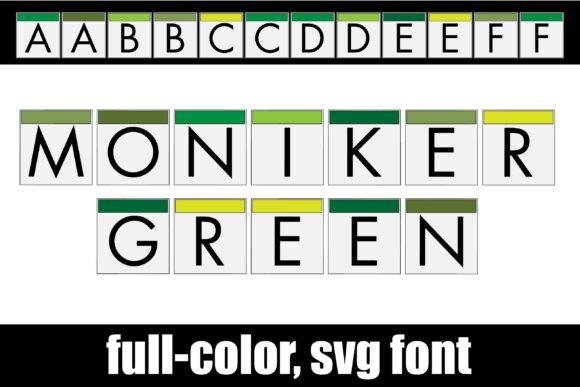
At its core, Moniker Green is a full-color SVG font. This means each letter isn’t just a shape filled with a single color; it’s a detailed graphic that can contain multiple colors, gradients, and textures. The primary version presents a clean, simple sans serif font rendered on a vibrant green background, reminiscent of classic playing card design. This immediate visual texture gives it a distinct personality that a standard monochrome typeface simply cannot achieve.
What truly elevates this as a design asset is the inclusion of an alternate version. By accessing your system’s character map, you unlock a set of letters in additional colors. This feature is a game-changer for maintaining visual consistency while allowing for creative variation. Imagine designing a series of social media posts where each featured quote uses the same font style but alternates between green, blue, and red letters to match different campaign themes. This flexibility helps build a recognizable brand system without feeling repetitive.
It’s crucial to remember, however, that full-color fonts have specific technical requirements. They will render as a basic black outline in software that doesn’t support the SVG format. For this reason, Moniker Green shines brightest in compatible programs like modern design suites and, notably, Silhouette Studio for crafters and small business owners creating physical products. Always test your font in your intended application before committing to a final design.
Practical Applications Across Creative and Commercial Projects
The true value of any design asset is measured by its utility. Where does a font like Moniker Green actually work well? Its display-oriented nature makes it a standout choice for projects where impact and personality are paramount.
Branding and Logo Design: For a brand that wants to convey energy, modernity, and a touch of playful confidence, this typeface can be a strong foundation for a wordmark logo. It’s particularly effective for businesses in creative industries, eco-friendly brands leveraging the color green, or any company targeting a youthful, dynamic audience. Pair it with a simple, neutral serif or sans serif for body text to create a balanced and professional brand identity.
Packaging and Merchandise: On product labels, shopping bags, or merchandise like t-shirts and mugs, the full-color lettering jumps off the surface. It can make a product feel more premium and thoughtfully designed, enhancing shelf appeal. For a small batch artisan or a direct-to-consumer brand, this level of detail in typography can significantly elevate perceived value.
Digital Presence and Marketing: The font is a natural fit for attention-grabbing headlines on websites, blog post titles, and digital advertisements. It can make social media graphics—especially Instagram quotes, YouTube thumbnails, and Pinterest pins—far more engaging and shareable. In email marketing, a bold, colorful header can improve open rates and draw readers into your content.
Print and Editorial Design: Think beyond digital. This typeface excels in poster design, event invitations, and magazine or zine covers. Its card-inspired aesthetic could be perfect for a casino night flyer, a garden party invitation, or the title treatment for a feature article in a lifestyle publication. The key is to use it strategically for headlines and pull quotes, not for long paragraphs of body copy.
Integrating Moniker Green into Your Design Workflow
Adopting a new creative font requires more than just installation; it demands thoughtful integration. Here’s how to ensure Moniker Green enhances, rather than complicates, your projects.
Define the Role: Clarify what job this font will do. Is it for headlines only? For a specific campaign? For all product-related titles? Establishing its role prevents misuse and maintains design integrity. Its strength is in display settings, so reserve it for large-scale text where its details can be fully appreciated.
Master Font Pairing: The most successful designs often use font pairings. Moniker Green’s bold, graphic nature means it pairs best with something more subdued. A classic serif font like Georgia or a clean sans serif like Open Sans for body text will let the colorful headlines stand out without causing visual chaos. The contrast creates a clear hierarchy, guiding the viewer’s eye exactly where you want it to go.
Prioritize Readability: While style is important, never sacrifice legibility. Test your chosen text at the size it will be displayed. Does the green background compete with the letterforms? Is the contrast sufficient? The alternate color versions might offer better readability for certain backgrounds—experiment to see what works best for your specific application.
Review All Included Styles: Don’t overlook the alternate characters. Take the time to explore the full character set via your system’s character map. This exploration might reveal perfect symbols or letter variations for a specific project, like using a differently colored ampersand or a special glyph as a design element.
Understand Commercial Licensing: For entrepreneurs and businesses, this is non-negotiable. Before using Moniker Green in any project intended for sale or commercial promotion, verify the font’s license. Ensure it covers your intended use, whether for client work, merchandise, or digital products. Respecting licensing protects you legally and supports the creators who develop these valuable design assets.
Elevating Your Visual Communication
Ultimately, tools like Moniker Green are about more than just aesthetics; they’re about communication. A carefully chosen typeface can convey brand values, evoke emotion, and create a memorable impression. For a small business owner, it can mean the difference between a forgettable label and one that stands out in a crowded market. For a content creator, it can transform a standard post into a piece of branded content that reinforces identity and builds audience recognition.
The move towards using more expressive, colorful typography reflects a broader trend in design: the desire for authenticity and personality. In a landscape saturated with generic visuals, a bold, well-executed typographic choice signals that a creator has paid attention to detail. It shows an investment in quality and a commitment to a cohesive visual language.
Whether you’re designing a new logo, crafting a social media series, or packaging a handmade product, considering a font like Moniker Green is an exercise in strategic creativity. It’s not about using every flashy tool available, but about selecting the right ones that align with your goals and resonate with your audience. By understanding its strengths, applying it judiciously, and pairing it wisely, you can leverage this colorful sans serif to create designs that are not only beautiful but also effective in achieving your communication and branding objectives.