Easter M's: A Playful Font for Spring Design Projects
There's a particular kind of joy that comes with spring design work. The palette lightens, the themes turn to renewal and celebration, and suddenly there's room for a little whimsy in your projects. If you've been searching for a typeface that captures that festive, candy-coated energy of the season, Easter M's delivers exactly that—and it does so with a clever technical twist that makes it genuinely useful for modern designers.
What Makes This Font Visually Distinctive
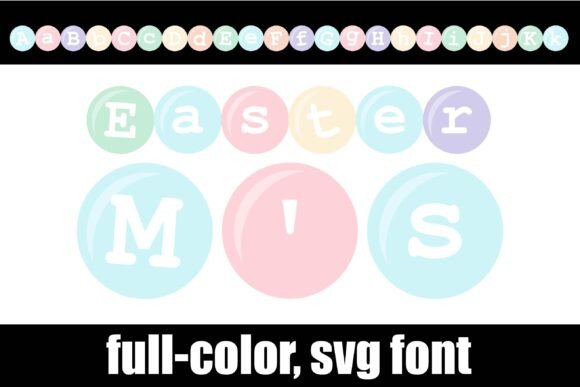
Easter M's is a full-color SVG font built around the aesthetic of pastel candy-coated chocolates. Each letterform is rendered with white lettering atop a soft, colorful shell, mimicking the look of those iconic spring treats. The effect is immediately recognizable and undeniably cheerful, making it a strong choice for any project that needs to communicate warmth, playfulness, or seasonal celebration.
What sets this typeface apart from other novelty display fonts is the depth of its character set. Beyond the default pastel palette, Easter M's includes alternate color versions of each letter, accessible through your operating system's glyph map or through tools like Silhouette Studio's glyph panel. This means you're not locked into a single color scheme—you can mix and match to create a more dynamic, customized look for headlines, logos, or packaging text.
There are also a couple of charming extras tucked into the character set. By typing the greater than and less than glyphs, you can pull up a bunny and chick illustration, respectively. These small touches make the font feel thoughtfully designed rather than hastily assembled, which is something you notice immediately when working with it on real projects.
Practical Applications Across Design Disciplines
A font like Easter M's isn't meant for body copy or lengthy paragraphs. It's a display typeface, and its strength lies in short, high-impact text treatments. Think headline banners on a bakery's Instagram page, the title treatment on a seasonal product label, or the hero text on an event invitation. In these contexts, the candy-coated letterforms do exactly what great display typography should do—they stop the scroll and communicate a mood instantly.
For small business owners, particularly those in food, retail, or event planning, this font can anchor an entire seasonal campaign. Imagine it used on:
- Packaging design for spring candy collections or baked goods
- Social media graphics announcing Easter sales or brunch menus
- Print materials like flyers, posters, and in-store signage
- Invitations for egg hunts, spring parties, or community events
- Merchandise such as tote bags, stickers, or greeting cards
- Digital products like printable planners, worksheets, or party kits
Content creators and bloggers can use Easter M's to give their spring content a cohesive visual identity. A food blogger might use it for recipe card headers, while a lifestyle influencer could apply it to Pinterest pins or YouTube thumbnails. The key is using it where it will have the most visual impact—typically in titles, callouts, and accent text rather than in running copy.
Working With Full-Color SVG Fonts
If you haven't worked with a full-color SVG font before, Easter M's is a straightforward introduction. These fonts install just like any standard .otf file. On a Mac, you'll typically use FontBook. Windows users can install through their preferred font manager or the Control Panel. The process is no different from adding any other premium font to your system.
There is one important thing to understand about color fonts, though. In programs that don't support the SVG format, the font will render as solid black. This is normal and expected. Even in programs that do support color fonts, the preview window often displays them in black. You'll know your software is rendering the font correctly when you type on your document canvas and see the full pastel palette appear.
As of now, several major design applications support full-color SVG fonts, including Adobe Illustrator, Photoshop, and InDesign, along with Silhouette Studio, QuarkXPress, and Inkscape. If your workflow relies on any of these tools, you're in good shape. For designers working in web environments, it's worth testing how the font renders in your specific setup before committing it to a client project.
Building a Cohesive Brand Identity Around Seasonal Typography
One of the most practical uses for a font like Easter M's is in building out a seasonal extension of an existing brand identity. If you run a bakery, a gift shop, or an online boutique, you likely have a primary typeface that handles most of your year-round communication. But when spring rolls around, you need a way to signal to your audience that something fresh and festive is happening—without abandoning your brand's visual consistency.
This is where a well-chosen display font earns its place in your design assets library. Easter M's can sit alongside your primary serif font or sans serif font, handling the seasonal headlines and promotional callouts while your core typography continues to do the heavy lifting in body copy and standard communications. The contrast between a playful, candy-colored display face and a clean, professional body typeface actually strengthens both elements by giving each one a clear role.
When pairing fonts, consider the visual weight and personality of each typeface. Easter M's is bold, colorful, and highly stylized, which means it pairs best with something simple and understated. A clean sans serif like Montserrat or a straightforward serif like Lora can provide the necessary balance. Avoid pairing it with other decorative or handwritten fonts, as the result will likely feel cluttered rather than intentional.
Readability, Licensing, and Making Smart Design Choices
Because Easter M's is a display font, readability works differently than it does with text typefaces. At large sizes—think poster titles, banner headlines, or packaging logos—the letterforms are clear and easy to read. At smaller sizes, the detailed candy texture can start to lose definition, and the white-on-pastel contrast may become harder to parse. This is true of most full-color fonts, and it's simply a matter of using the typeface in the right context.
A practical rule of thumb: if the text needs to be read quickly and at a glance, Easter M's works beautifully. If the text needs to carry detailed information that someone will read carefully, switch to a more conventional typeface. This isn't a limitation—it's just smart typography. Every font has a sweet spot, and knowing where that is separates good design from great design.
Before using Easter M's in any commercial project, take a moment to review the licensing terms that come with the font. Most premium fonts include a license that covers specific use cases, and understanding those terms upfront saves headaches later. Whether you're designing for a client, selling products with the font embedded, or using it in digital marketing materials, make sure your license covers your intended application. This is standard practice with any commercial font, and it's a habit worth building early in your design career.
Easter M's brings a specific energy to spring and seasonal design work that's hard to replicate with standard typefaces. Its candy-coated visual language, thoughtful alternate characters, and vector-based scalability make it a practical addition to any designer's toolkit—provided it's used where it shines brightest. Pair it thoughtfully, deploy it strategically, and it becomes more than just a novelty font. It becomes a reliable part of your seasonal design workflow.