Sew Rainbow: Stitching Vibrant Personality Into Your Projects
Finding a font that genuinely captures the essence of a project can feel like striking gold. You're scrolling through endless libraries of serif and sans-serif options, searching for something that feels alive—something with texture and warmth. If you are working on a craft-focused brand, a children’s book cover, or a whimsical invitation suite, standard typography often falls flat. This is exactly where the Sew Rainbow font steps in, offering a delightful break from the digital rigidity we are so used to seeing. It isn’t just a set of letters; it is a tactile experience rendered in vector form, featuring a full-color palette that mimics the look of embroidery and sewing.
The Charm of Textured Typography
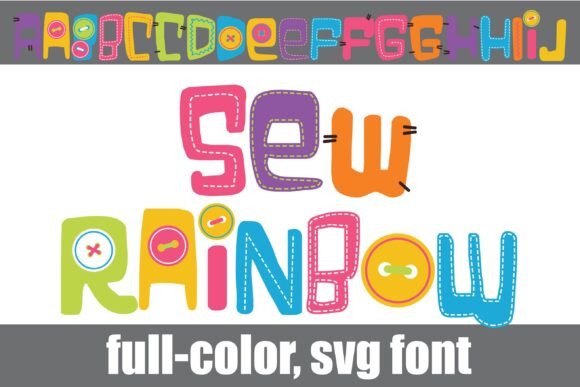
What makes a display font like Sew Rainbow so visually appealing is its ability to bridge the gap between digital design and physical crafting. We often talk about "handmade" aesthetics in design, but this typeface takes it a step further by incorporating actual visual elements of sewing. We are talking about visible stitches, button accents, and a rich, vibrant color spectrum that feels joyful and energetic.
Unlike a standard script font or handwritten font, which relies solely on the shape of the letterform to convey personality, this creative font uses color and texture as its primary language. The "rainbow" aspect isn't just a gradient; it is a deliberate mix of hues that pop off the screen. This makes it an exceptional choice for designers who need to grab attention immediately. Whether you are working on social media graphics where you have a split second to stop a user from scrolling, or packaging design that needs to jump off a crowded shelf, the visual weight of this typeface does a lot of the heavy lifting for you.
Practical Applications for Branding and Marketing
One of the biggest challenges in brand identity work is consistency, especially when a brand needs to feel approachable and fun. For small business owners in the crafting, baking, or children’s entertainment industries, this font is a game-changer. It immediately signals to the viewer what the brand is about without needing a paragraph of explanation.
Consider how this style fits into specific design assets:
- Logo Design: If you are creating a logo for a fabric shop, a quilting guild, or a daycare, Sew Rainbow provides an instant "mascot" vibe. It sets a tone of playfulness and creativity that a generic modern typography choice simply cannot achieve.
- Editorial and Blog Design: Bloggers, particularly in the DIY and lifestyle niches, can use this font for section headers to break up text-heavy pages. It adds a visual reward for the reader as they scroll down the page.
- Merchandise: Because the font is vector-based and scalable, it translates beautifully to print-on-demand products. Think tote bags, t-shirts, or stickers. The stitching effect looks incredibly authentic when printed at a high resolution.
- Invitations and Print Materials: For birthday parties or community craft fairs, the font carries a sense of celebration. It works beautifully on posters and flyers where you want to convey energy and excitement.
Understanding Color Font Technology
While the aesthetic is charming, the technology behind full-color SVG fonts is what makes Sew Rainbow a premium asset. In the past, if you wanted a stitched look, you had to manually layer shapes in Adobe Illustrator or Photoshop to create the illusion of thread. With OpenType full-color technology, the color and texture are baked directly into the font file.
However, it is important to understand how these files behave to avoid frustration in your workflow. OpenType full-color fonts (SVG) are installed just like any standard .otf file. On a Mac, you would typically use FontBook, while Windows users might use the Control Panel or a third-party font manager.
Compatibility Check: Not every piece of software can read the "color" part of a color font. If you open Sew Rainbow in a program that does not support SVG fonts, you will likely see a black silhouette of the letters. This is normal. The magic happens in compatible environments. Programs like Adobe Photoshop, Illustrator, Silhouette Studio, Quark, and Inkscape generally support these fonts well. A good rule of thumb: if you type the text and see the colors in the document, your software supports it. If it appears black in a preview window but colors up when you type, you are good to go.
Maximizing Impact with Glyphs and Pairings
A single font style can sometimes feel repetitive, which is why Sew Rainbow includes an alternate case of additional colors. This feature is incredibly useful for designers who want to avoid having two identical colored letters sitting next to each other. You can access these alternates through your system’s character map or via the glyph map in software like Silhouette Studio. This allows for a more organic, hand-crafted look where the color variation feels random and natural, much like real embroidery.
When it comes to font pairing, you need to exercise restraint. Because Sew Rainbow is so detailed and vibrant, pairing it with another display font or a complex serif font will result in visual chaos. The best approach is to let this font be the star of the show.
Pair it with a clean, neutral sans serif font for body text. Fonts like Open Sans, Roboto, or Montserrat work well because they recede into the background, allowing the headers to shine. This contrast ensures readability. The whimsical nature of the stitched font is perfect for headlines, sub-headers, and call-to-action buttons, but for paragraphs of information, always stick to a legible, standard typeface.
Strategic Use for Audience Engagement
From a marketing perspective, typography influences how an audience feels about your content before they even read it. Using a premium font like Sew Rainbow communicates a specific value proposition: creativity, care, and attention to detail. It suggests that the creator behind the design cares about the aesthetic experience.
For digital products, such as e-books, workbooks, or online course materials, using this font for chapter titles can make the learning experience feel more engaging and less like a chore. It breaks the monotony of standard corporate formatting.
Furthermore, in the realm of web design, this font can be a secret weapon for hero sections. A large, colorful header created with Sew Rainbow can set the mood for the entire user journey. It invites the user to explore further, creating a welcoming atmosphere that a standard black-and-white header might not achieve.
Final Thoughts on Commercial Application
Before finalizing any project, always double-check the commercial licensing terms of the font. While most premium fonts allow for a wide range of uses—from client work to merchandise—some licenses have restrictions on the number of users or the specific types of commercial goods produced. Since you are likely using this font for branding or marketing assets, ensuring you have the correct license protects both you and your client.
Ultimately, Sew Rainbow is more than just a novelty; it is a robust design tool for anyone looking to inject personality into their work. It serves as a reminder that design can be tactile, joyful, and colorful. By integrating this typeface into your toolkit, you gain the ability to produce designs that feel handmade yet polished, bridging the gap between the craft table and the digital screen.