Charming Chalk: Your New Secret Weapon for Authentic Designs
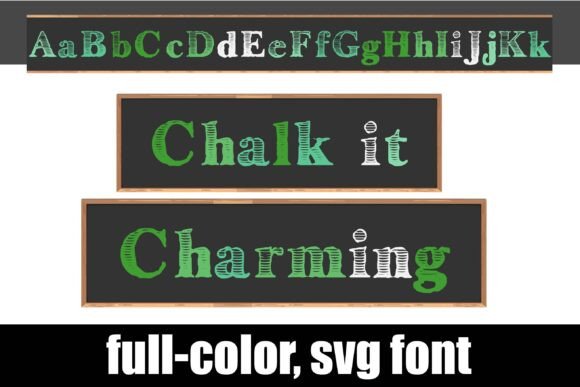
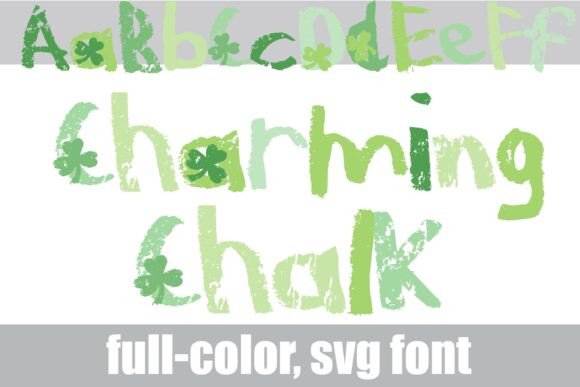
There is an immediate nostalgia to the look of a handwritten message on a sidewalk chalkboard. It evokes a sense of warmth, nostalgia, and personal touch that digital precision often lacks. If you have been searching for a way to inject that tactile, handcrafted vibe into your digital projects without spending hours manually illustrating each letter, you might find your solution in a specific type of typeface. This full-color font features a green chalk-like font, offering an authentic texture that mimics the real thing. However, the versatility doesn't stop at the default setting; there is an alt version you can access through your system's character map that contains additional colors of all the letters, allowing you to customize your palette to fit specific seasonal themes or brand guidelines.
Why Texture Matters in Modern Typography
In the current design landscape, "perfect" is often boring. Brands are increasingly moving away from sterile, corporate aesthetics in favor of designs that feel human and approachable. This is where a creative font like this shines. It works best for titles, displays, posters, and more, acting as a focal point that draws the eye without overwhelming the layout. Whether you are designing a header for a lifestyle blog or a flyer for a local farmer's market, the gritty texture of a chalk style adds depth and character that flat, vectorized text simply cannot replicate.
For designers and content creators, the appeal lies in the details. A premium font like this isn't just about the shape of the letters; it’s about the finish. The slight imperfections, the dust-like edges, and the saturation of the color create a visual story. It suggests that a human being is behind the message, which is a powerful psychological trigger for audience engagement. When viewers see a font that looks handwritten, they often perceive the message as more direct and trustworthy.
Navigating Color Fonts and Technical Compatibility
While the aesthetic is charming, it is essential to understand the technical side of using full-color typefaces. These are not your standard monochrome fonts. Please note color fonts will show as black in non-compatible programs. This is a crucial distinction for anyone working across multiple software platforms. If you open the file in a legacy text editor, you will likely see a silhouette of the design rather than the vibrant green or multi-colored versions intended.
The installation process is straightforward, but it requires a font manager. OpenType full-color (SVG) fonts are installed like any normal .otf font is installed. This usually happens via FontBook for Mac users or via your preferred font manager or Control Panel in Windows. Once installed, the font behaves like any other asset in your library, but the rendering depends entirely on the software's capabilities. You will know if your program can support color fonts when you type on the document and see them in color. Adobe products, Silhouette Studio, Quark, and Inkscape, amongst others, support full-color SVG fonts at this time. This compatibility makes it a robust asset for professional environments, particularly for those creating cut files or digital illustrations. This font type is compatible with Silhouette Studio, making it a favorite among crafters who use cutting machines.
Practical Applications: From Branding to Packaging
So, where does this specific style fit into your workflow? The applications are surprisingly broad, spanning both digital and physical mediums. Because the font provides such a strong visual personality on its own, it serves as an excellent anchor for various design assets.
- Branding and Logo Design: If you run a bakery, a coffee shop, a tutoring service, or a children’s brand, this typeface can form the backbone of your logo. It instantly communicates a casual, friendly atmosphere. When paired with a clean sans serif font for body copy, it creates a balanced hierarchy that is easy to read yet full of personality.
- Packaging Design: Imagine a label for artisanal jam, a candle, or a natural soap. Using a chalk-style font on packaging adds a "farm-to-table" or "small-batch" feel. It suggests that the product inside is made with care. The green variant is particularly effective for eco-friendly brands or products with a botanical focus.
- Social Media Graphics: On platforms like Instagram or Pinterest, stopping the scroll is the goal. A bold, textured header using this font can grab attention instantly. It works exceptionally well for quotes, announcement posts, or sale graphics. The texture adds visual interest even when viewed on small mobile screens.
- Invitations and Events: For weddings, birthday parties, or community events, the handwritten look sets a relaxed tone. It moves away from the stiff formality of traditional serif fonts, inviting guests to relax and enjoy themselves.
Improving Visual Consistency and Readability
One of the biggest challenges in design is maintaining visual consistency across different platforms. A brand identity relies on the repetition of specific visual cues. By selecting a distinct typeface like this one for your headers and display text, you create a recognizable signature. Every time a customer sees that green chalk texture, they will associate it with your brand, strengthening brand recognition over time.
However, readability considerations are vital. Because this is a display font, it is designed for impact rather than long-form reading. It works best for titles, displays, posters, and more. Trying to use a heavy texture font for paragraphs of text can strain the eyes. Instead, use it for the "hook"—the title of a blog post, the headline of a poster, or the name on a menu. For the body text, switch to a legible serif or sans serif font. This contrast not only makes the design easier to read but also emphasizes the decorative elements by juxtaposing them against something clean and simple.
Maximizing Your Investment in Design Assets
When investing in a creative font, you want to ensure you are getting the most out of the file. As mentioned earlier, there is an alt version you can access through your system's character map that contains additional colors of all the letters. Many users miss out on these extras simply because they don't realize they exist. Exploring the glyphs panel in Adobe Illustrator or Photoshop can reveal swashes, ligatures, or alternate color schemes that can make your typography look even more custom.
Furthermore, always check your commercial licensing considerations. If you are a small business owner or entrepreneur, you need to ensure that the license covers your intended use, whether that is for digital products (like eBooks or PDFs) or printed merchandise (like t-shirts or mugs). Most premium fonts come with a license that covers a specific scope of usage, so reading the fine print protects you legally and ensures you are using the asset correctly.
The Future of Visual Communication
Full-color SVG fonts are the perfect way to add a touch of personality to your designs. With a full range of colors and styles to choose from, you can create anything from simple text logos to complex illustrations. We are moving past the era where typography was strictly black and white. The ability to embed color, texture, and even animation into a font file opens up new creative avenues for web design and editorial layouts.
However, always keep your workflow in mind. They often show as black when choosing the font in the preview window in programs that support color fonts. This can be confusing if you aren't expecting it, but it is simply a limitation of how preview thumbnails are generated in some operating systems. Trust the process: once applied to the canvas, the color will appear. Plus, SVG fonts are vector-based, meaning they can scale to massive sizes for trade show banners or shrink down for business cards without losing their crisp, chalky texture.
Ultimately, choosing a typeface is about finding a voice for your visual message. If your brand voice is warm, organic, creative, or nostalgic, a texture-heavy display font is an invaluable tool. It bridges the gap between the digital and the physical, offering a tactile quality that resonates with audiences looking for authenticity. By pairing this distinct style with solid design principles—like contrast, hierarchy, and negative space—you can elevate your projects from standard to striking, ensuring your message isn't just read, but felt.